
Your voice is a professional tool
Teachers, singers, pastors, broadcasters and anyone who speaks for a living place heavy demands on their voice. Over time, strain can lead to hoarseness, vocal fatigue, or small changes on the vocal cords such as nodules.
Everyday habits that protect your voice
Simple measures make a real difference: stay well hydrated, warm up before heavy use, use amplification instead of shouting over noise, rest your voice when it is tired, and limit throat-clearing, smoking and excess caffeine or alcohol.
When to get your voice checked
Any hoarseness lasting more than two to three weeks deserves a specialist assessment, especially for professional voice users. A laryngoscopy lets our ENT team see the vocal cords and recommend voice therapy or treatment before a small problem becomes a lasting one.
More from the Health Library
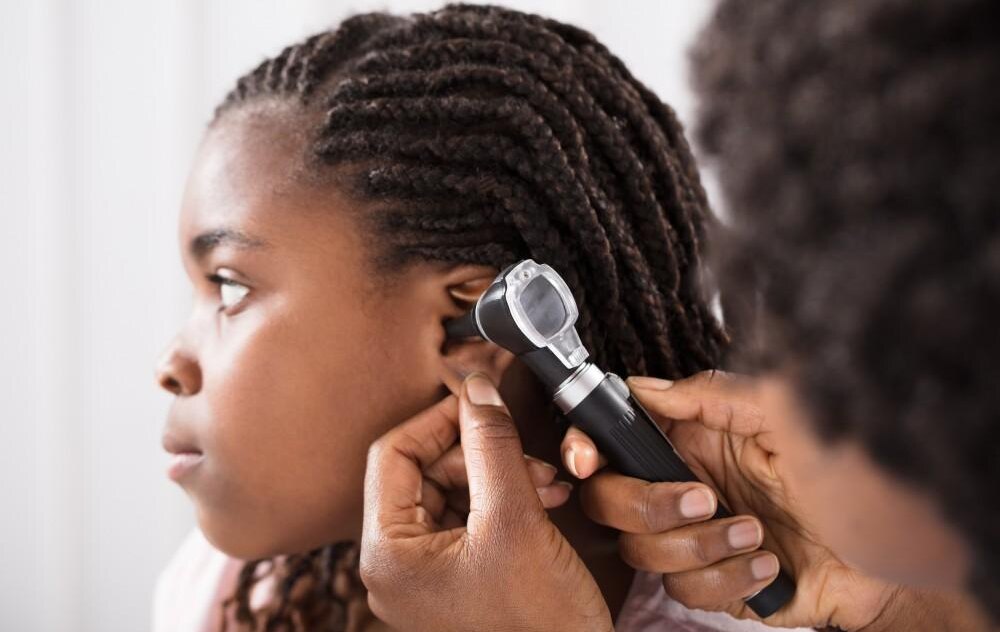
Why won't my child's ear infection go away?
Recurrent ear infections in children are common but treatable. We explain what causes them and when to seek specialist care.
Read more →
When is snoring a medical problem?
Not all snoring is harmless. Learn when snoring may signal obstructive sleep apnoea and what your options are.
Read more →
Do I need surgery for a thyroid nodule?
Most thyroid nodules are benign, but some require investigation. Our surgeon explains what to expect and how decisions are made.
Read more →