
Snoring vs. sleep apnoea
Snoring is the sound of turbulent airflow through a partly narrowed airway during sleep. On its own it is common and often harmless. But when the airway repeatedly collapses and briefly stops airflow, that is obstructive sleep apnoea (OSA) — a condition that can affect your heart, blood pressure and daytime alertness.
Warning signs worth checking
See a specialist if you (or your partner) notice loud, nightly snoring with pauses in breathing or gasping, un-refreshing sleep, morning headaches, daytime sleepiness, or difficulty concentrating. In children, snoring with restless sleep or enlarged tonsils and adenoids also deserves assessment.
What can be done
Assessment may include a sleep history, an airway examination and, where needed, a sleep study. Treatment is tailored to the cause and can range from lifestyle and nasal treatment to addressing enlarged tonsils or adenoids, or other therapies for confirmed sleep apnoea.
More from the Health Library
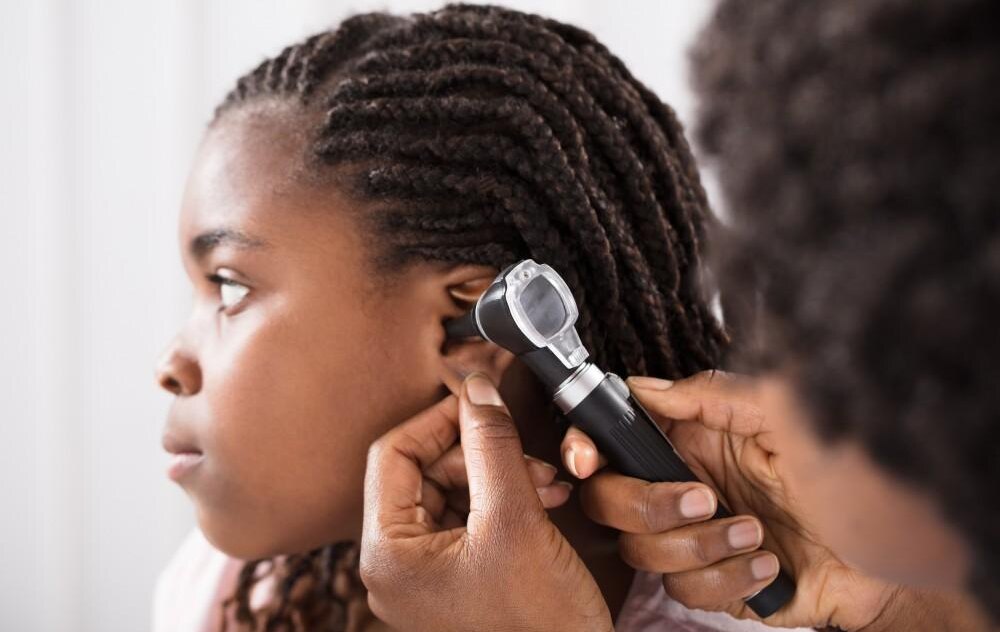
Why won't my child's ear infection go away?
Recurrent ear infections in children are common but treatable. We explain what causes them and when to seek specialist care.
Read more →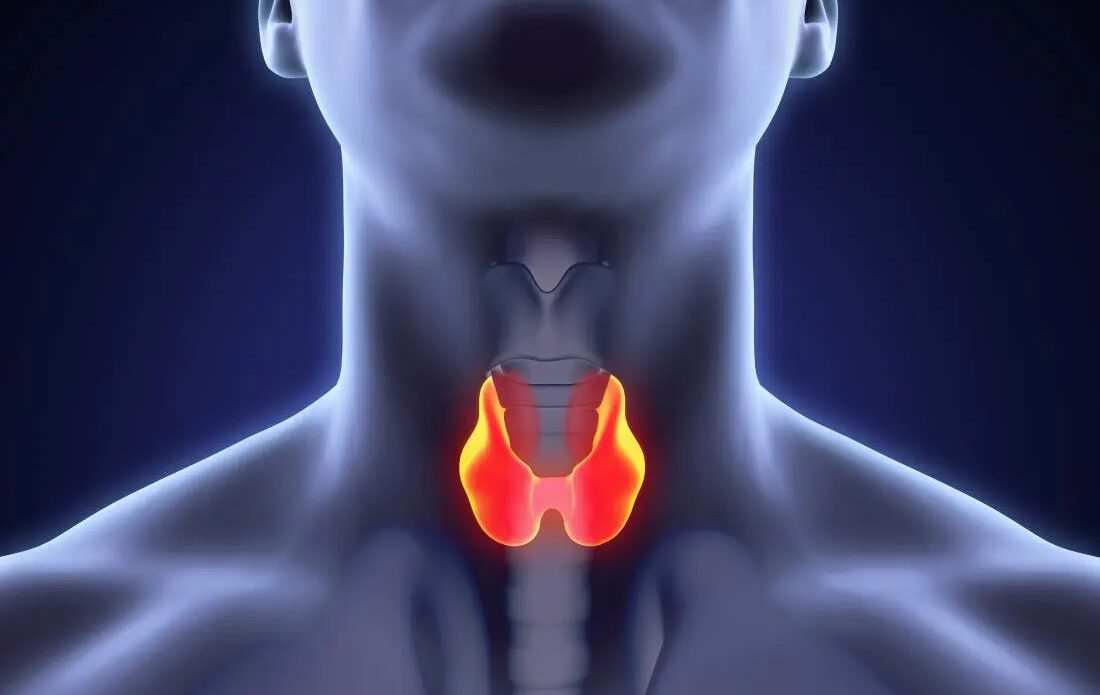
Do I need surgery for a thyroid nodule?
Most thyroid nodules are benign, but some require investigation. Our surgeon explains what to expect and how decisions are made.
Read more →
Understanding dizziness and vertigo
Vertigo and dizziness can have many causes. We help you understand the difference and when specialist input is needed.
Read more →